


01 / 06 · 10 mAll dayToday
Flat by lunchtime: back in the case, and soon in a drawer.
On the charger
Reflexes for Things · software now · silicon planned for 2028
Give things reflexes at nanojoules.
Situation awareness on the device's own chip. The main chip wakes only with a reason.
Scenes are AI-generated illustrations · evidence shown per scene
01 / 06 · 10 mAll dayToday
Flat by lunchtime: back in the case, and soon in a drawer.
On the charger
Three measured studies
Aware on every sample, measured.
Trained models, compiled into Reflex software that decides on the device's own chip. AI a device has, not AI it calls.
- FICUS4.4 nJ · 0.5 µs · 100%
- Neuton641 nJ · 80 µs · 100%
- TensorFlow Lite923 nJ · 109 µs · 24%
- 0 µsCPU time at the same ~8 mW110 µs
Done in 0.5 µs. The others keep the same CPU busy 79–108 µs longer.
- 7 workloads · nRF54LM2036.7×less energy than Nordic's Neutonand 40.2× faster ↓
- Eye tracking · nRF54LM20B41.2×faster than Neutonwith 96.6% less energy ↓
- MNIST digits · nRF54LM20B148×less energy than Neutonand 1.94 points more accurate ↓
Three separate studies · each with its own boundary2
Most things have no reflexes.
Your hand leaves a hot stove before your brain knows why. Smart glasses keep their main chip awake instead.
2–5h
smart-glasses battery, in a 16-hour day3
10mA
display-off draw, half of it the main chip
89%
sure decisions, FICUS glasses test
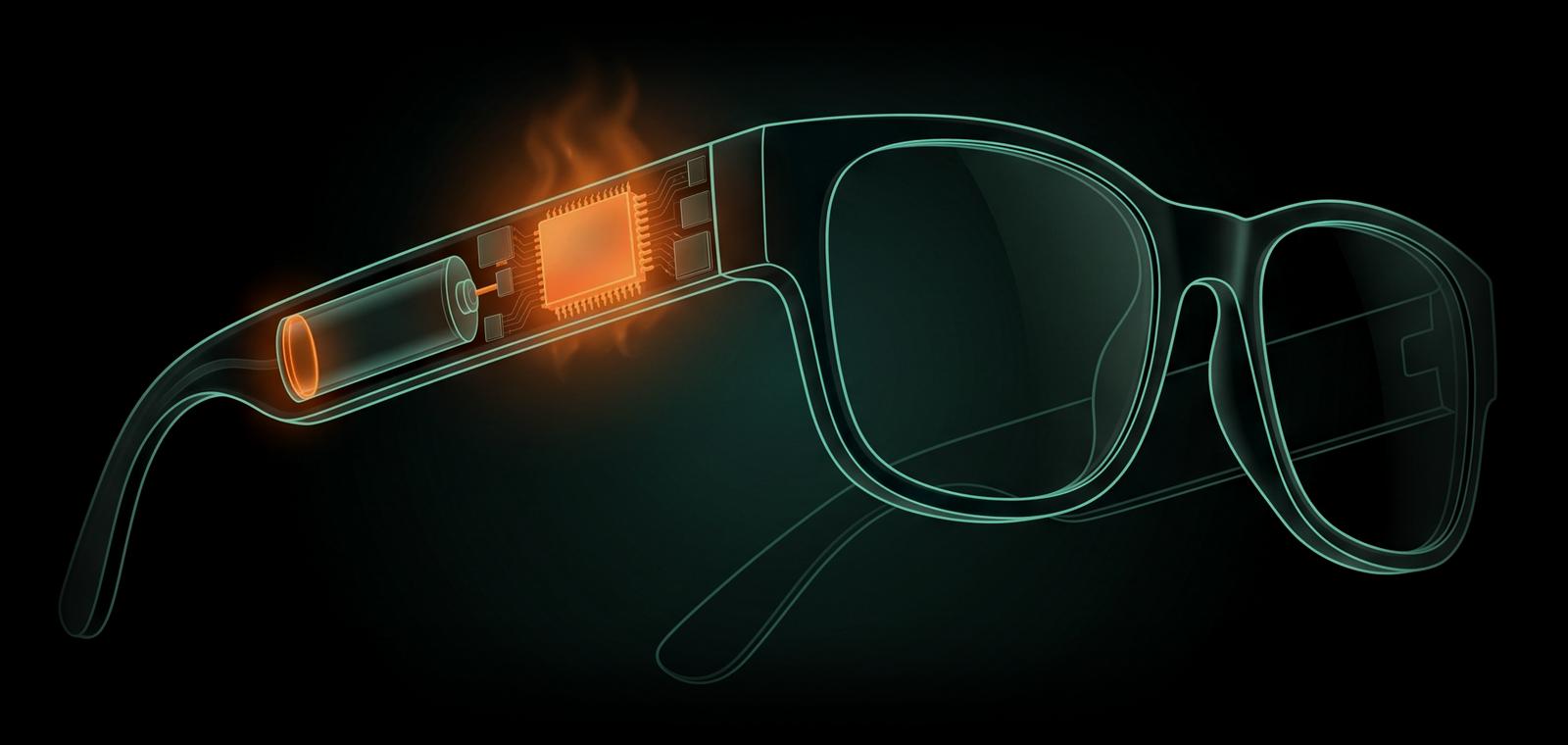
Situation awareness of Things
01 · Notice
One Reflex per signal, every sample.
worn · speech · bearing fault · pupil X/Y
Measured · nRF54LM20
02 · Understand
Reflexes fused into one Instinct.
worn + speech + head turn → in conversation
Built · not yet on a product chip
03 · Anticipate
How far a reading is from flipping the decision.
more band-3 vibration → “inspect”
A margin, not a forecast
04 · Wake with a reason
Sure: act. Unsure: wake the main chip.
89% sure in the glasses test
Historical · glasses test
7 workloads · Nordic nRF54LM20
Same CPU. Less energy.
One Cortex-M33, seven workloads. FICUS finishes first, so the chip sleeps sooner.4
36.7×
less energy than Neuton
84.1×
less energy than TensorFlow Lite
40.2×
faster than Neuton
86.0×
faster than TensorFlow Lite
Energy per call · each workload on its own linear scale · lower is better
BearingIndustrial condition monitoring
41.5× vs Neuton
ToothbrushWearables and personal care
145.3× vs Neuton
Magic WandWearables and personal care
65.6× vs Neuton
GearboxIndustrial condition monitoring
2.6× vs Neuton
TransportAsset tracking and logistics
20.3× vs Neuton
Eye trackingper pupil estimate
29.1× vs Neuton
MNIST digitsper digit · accuracy-matched
148.3× vs Neuton
Measured · geometric mean of 7 · accuracy not averaged
Eye tracking · Nov 2026
402 nJ per pupil estimate.
Pupil position from an event camera. Both FICUS profiles beat Neuton, Axon and TensorFlow Lite on time, energy and mean error.5
41–161×
faster than all three, energy-first
18.42px
mean error, accuracy-first
MNIST digits · Nordic nRF54LM20B · Nov 2026
A digit in 4.8 µs.
Every rival meets the FICUS build at its own accuracy. FICUS is faster, leaner and more accurate, every time.6
41nJ
per digit · FICUS lite12, 94.76% accurate
One image in. One digit out.Measured time per inference, to scale.
22.62 mschip time elapsed
Meanwhile
back-to-back digits
One MNIST image on Nordic's nRF54LM20B: TensorFlow Lite CNN 22.62 ms, 98.94% accurate; Tsetlin Machine 9.10 ms, 97.38% accurate; Axon CNN 1.56 ms, 98.94% accurate; Neuton 759.6 µs, 92.82% accurate; FICUS P3 fast 35.6 µs, 99.18% accurate; FICUS lite12 4.8 µs, 94.76% accurate. FICUS lite12 reads 157 digits while Neuton reads one; FICUS P3 fast reads 635 digits while TensorFlow Lite reads one.
148×
less energy than Neuton
FICUS lite12 · 157× faster · +1.94 points
43.9×
less energy than the Axon NPU
FICUS P3 fast · 43.7× faster · +0.24 points
555×
less energy than TensorFlow Lite
FICUS P3 fast · 636× faster · +0.24 points
204×
less energy than a Tsetlin Machine
FICUS P3 fast · 256× faster · +1.80 points
Things last
What a year of decisions costs.
Three identical coin cells, AI compute only. Move the decision rate.
100/ s
One year in 6 seconds
One year365 days later
FICUS15.8 nJ / decision
1.58 µW average
97.9%
2.1% of the budget in a year
Neuton460 nJ / decision
46.0 µW average
40.3%
59.7% of the budget in a year
TensorFlow Lite826 nJ / decision
82.6 µW average
0%
Empty on day 340
After one year at 100 decisions per second: FICUS has 97.9% left; Neuton has 40.3% left; TensorFlow Lite is empty on day 340.
Estimate · AI compute only · not device battery life7
Same energy: 100 decisions a second with FICUS. 3.4 with Neuton. 1.9 with TensorFlow Lite.
What a reflex unlocks.
16 worlds, from the bedside to orbit. Drag the line to compare.
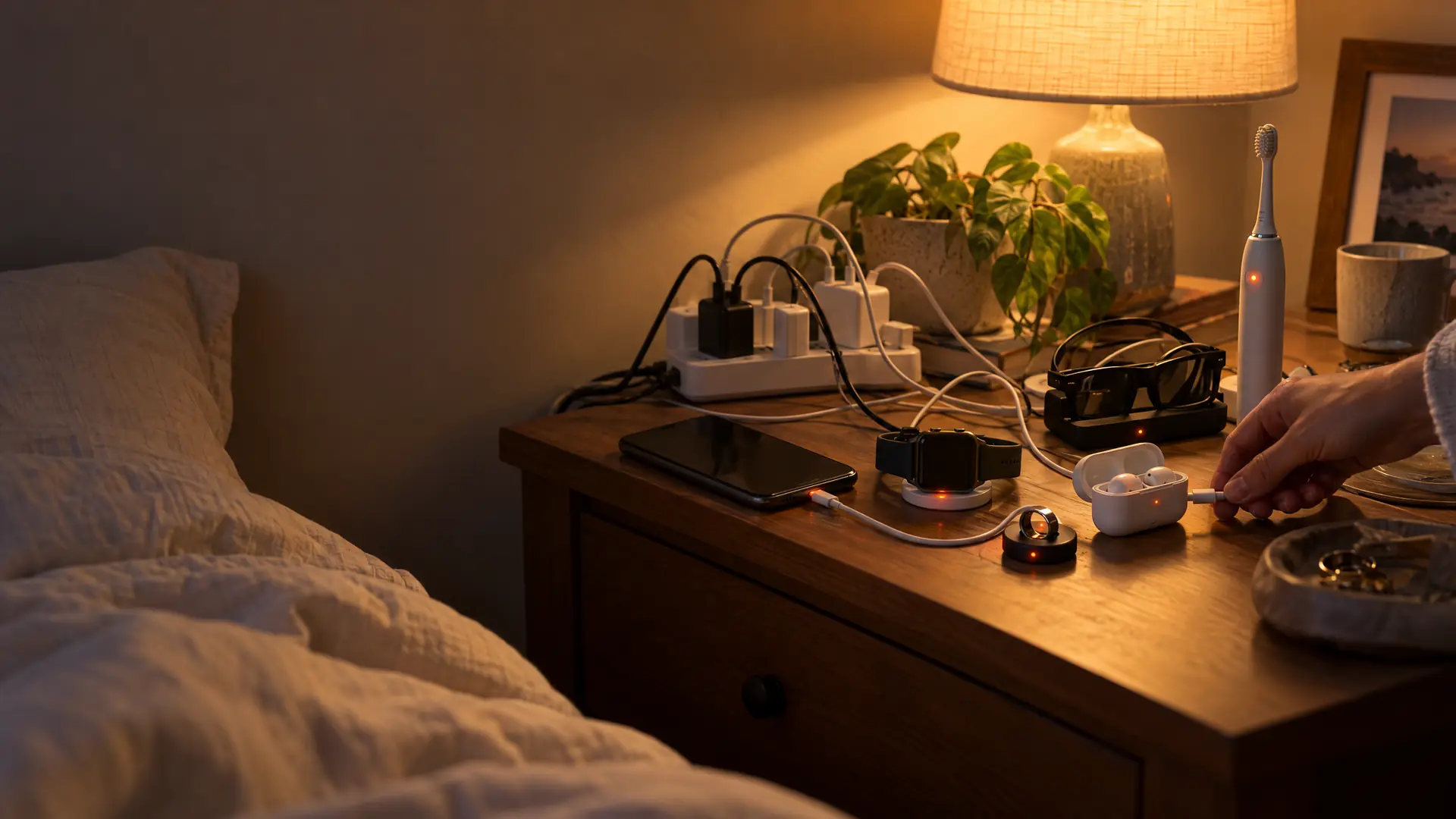
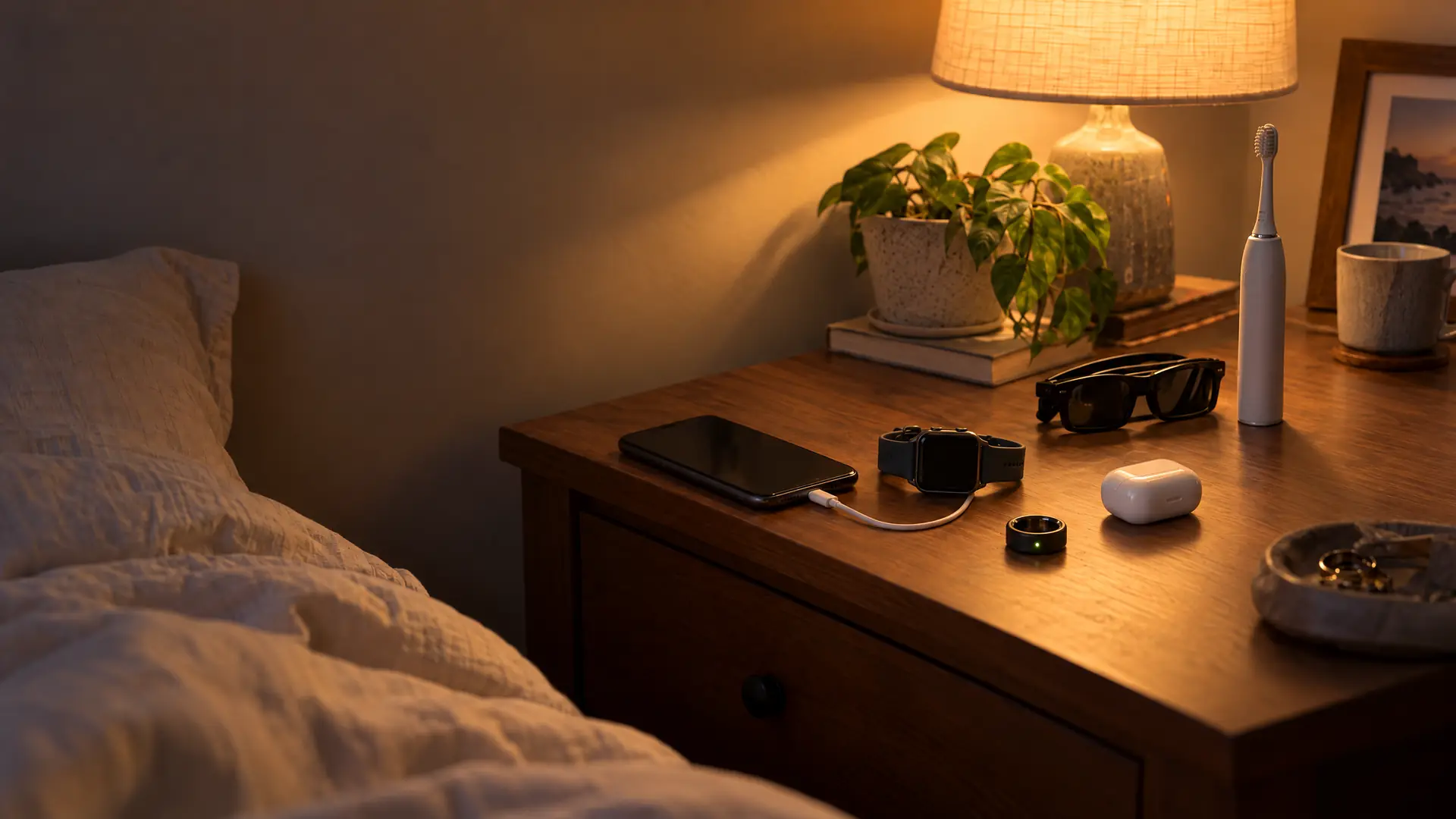


01 / 16 · On you
Things last · 1 m to the nearest charger
Your devices stop asking to be charged every night.
Reflexes → one Instinct · in-ear detect · wrist raise · sleep onset · brushing zone
TodayFive cables on one nightstand, every night, and the one you forget is flat by morning.
With FICUSThe phone still charges. The brush, the ring and the buds skip the cable.
To the nearest chargerDistance to the nearest charger1 m
None of these objects calls a data centre to make its decision.
AI-generated scenes · evidence status shown per world8
Built for products that must stay aware.
One Instinct per product: the Reflexes it needs, fused.
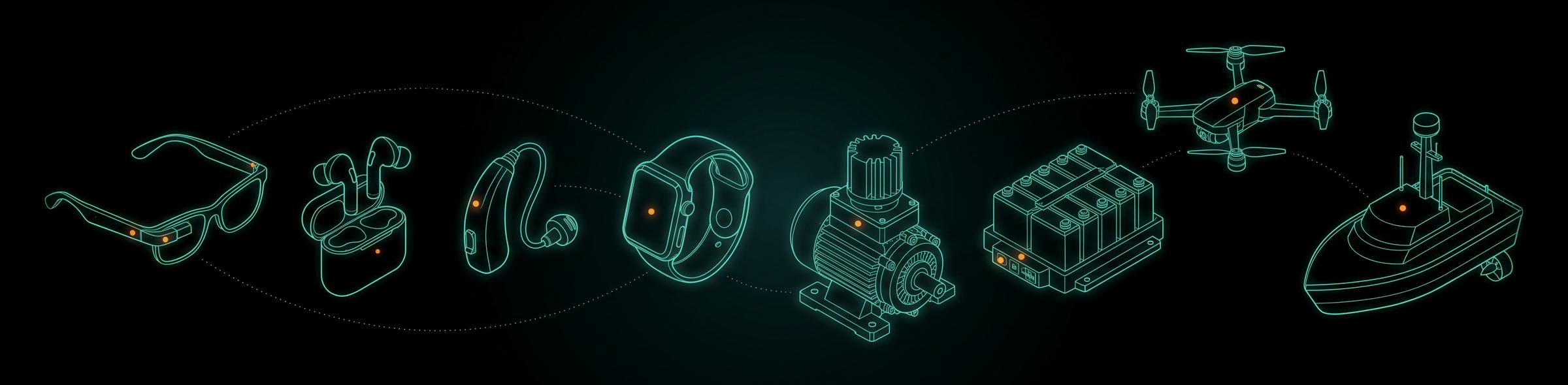
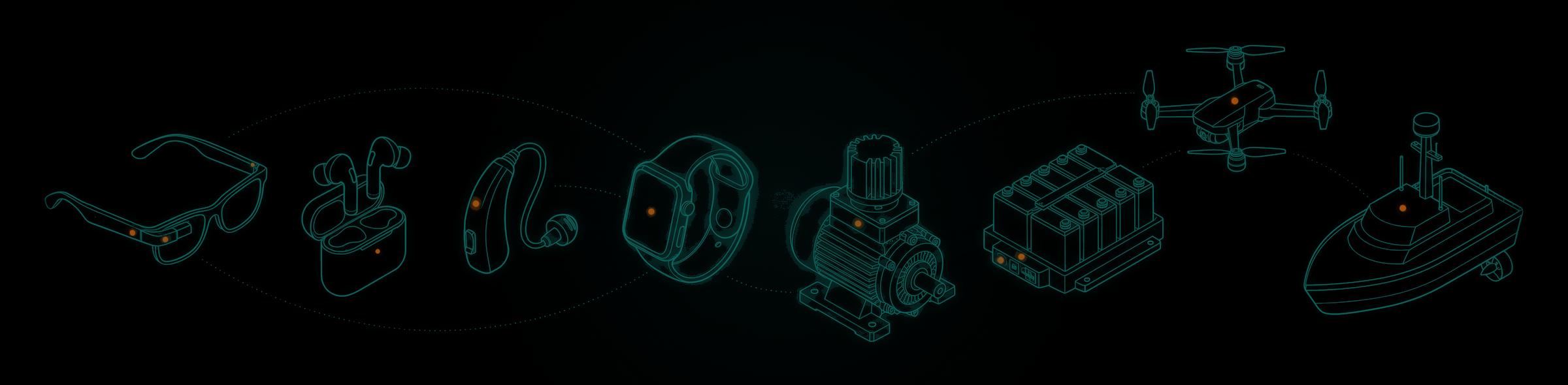
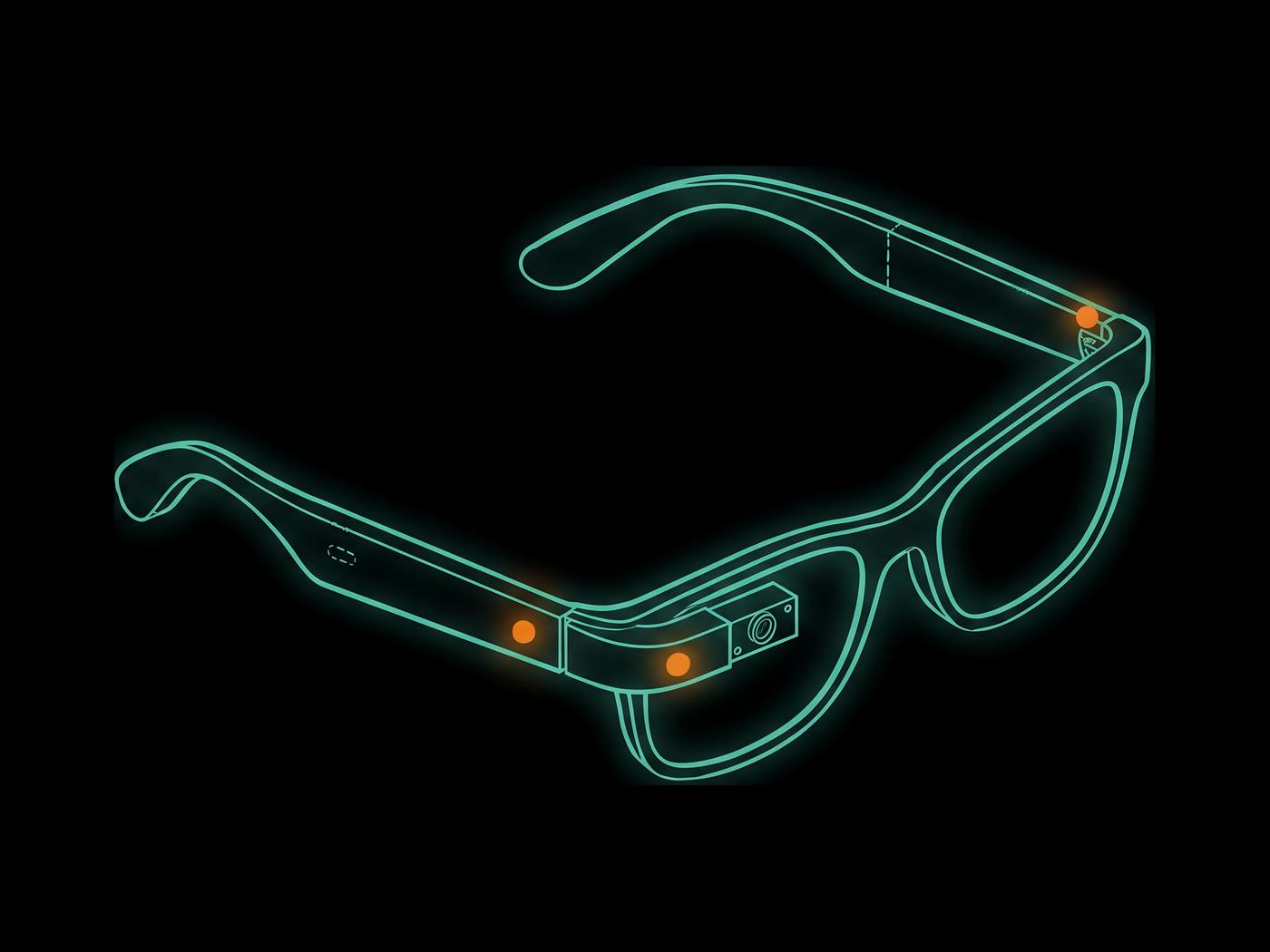
 Smart glassesHistorical
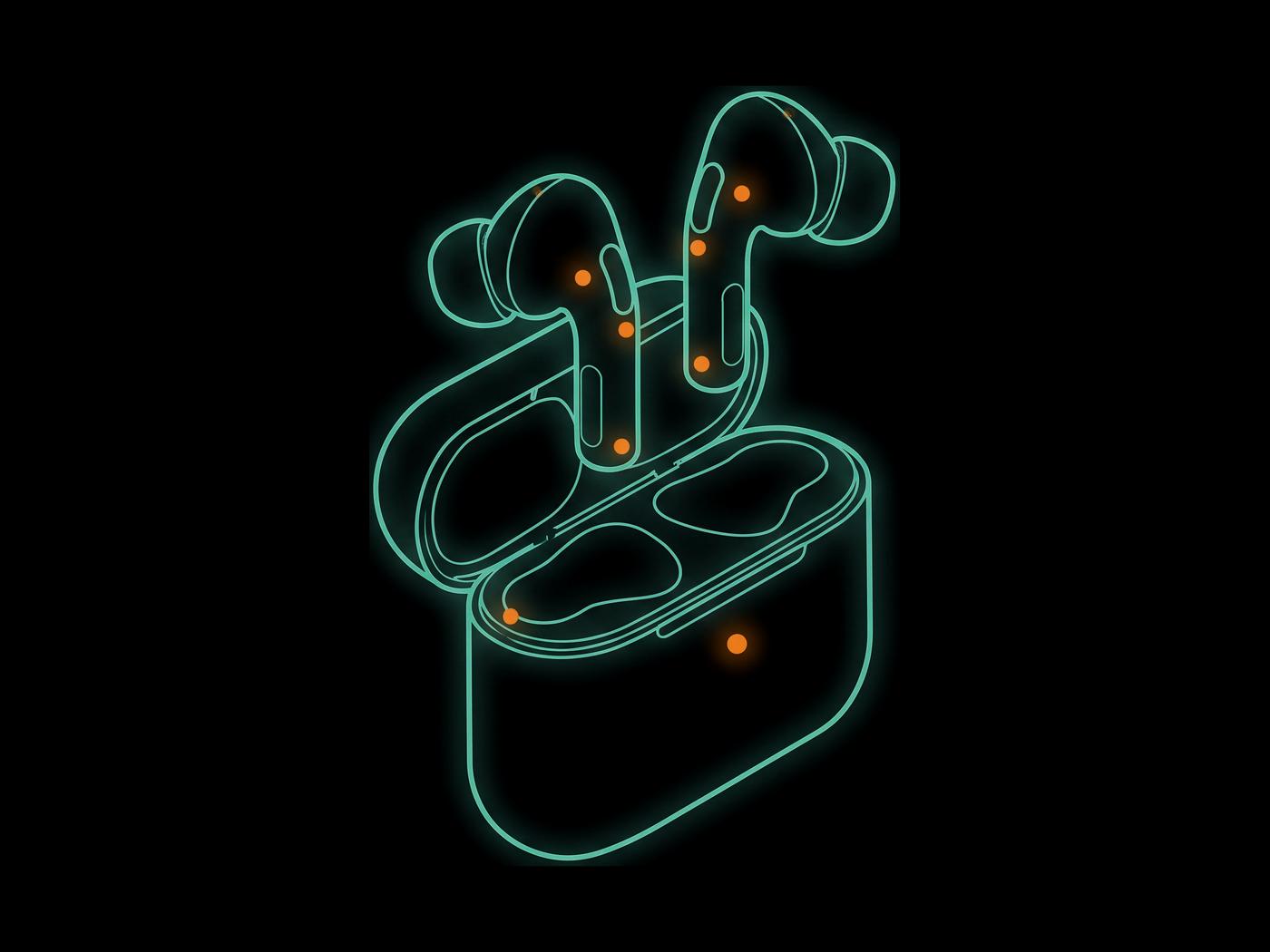
 EarbudsPilot
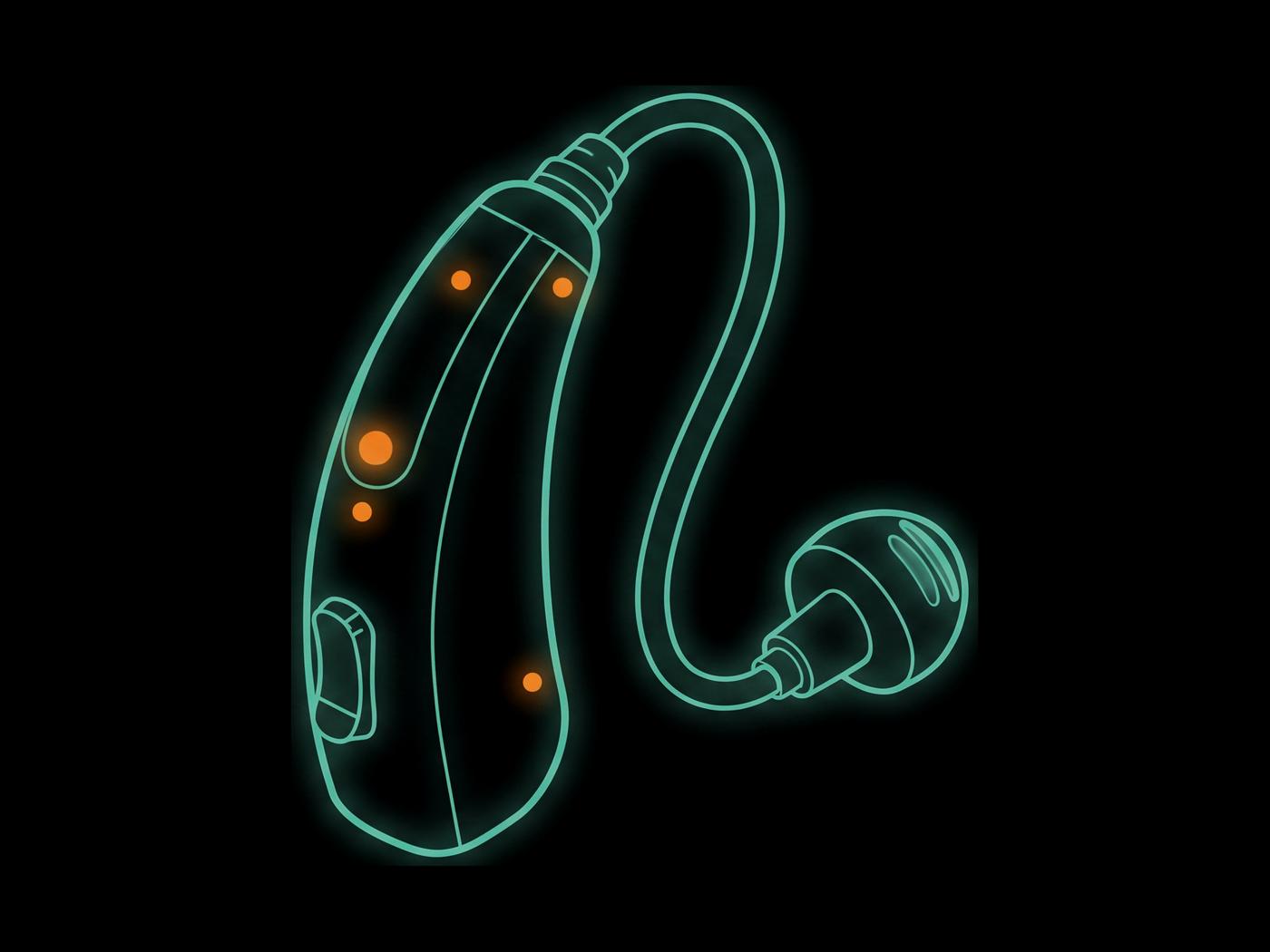
 Hearing aidsPilot
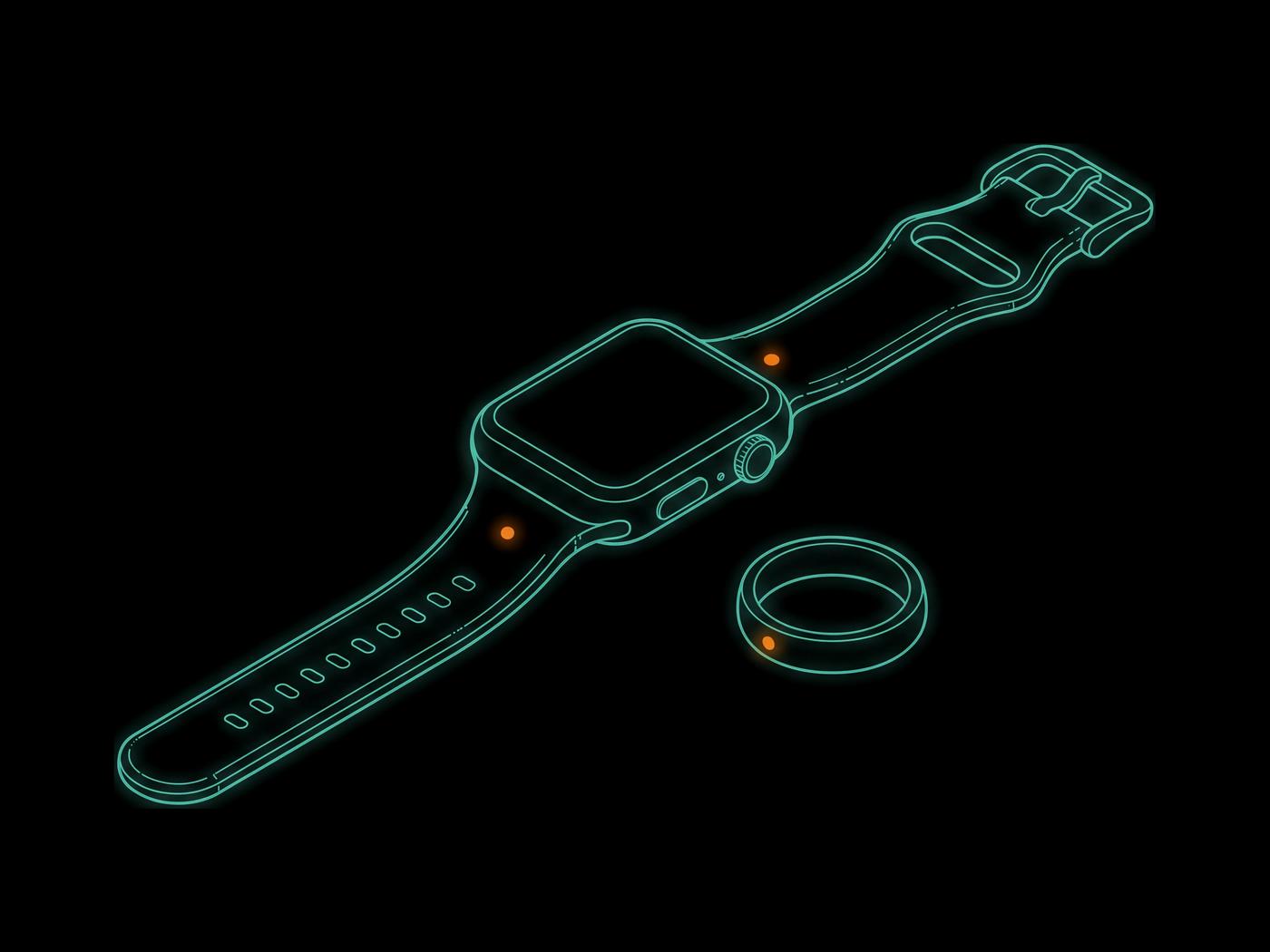
 Watches and ringsMeasured
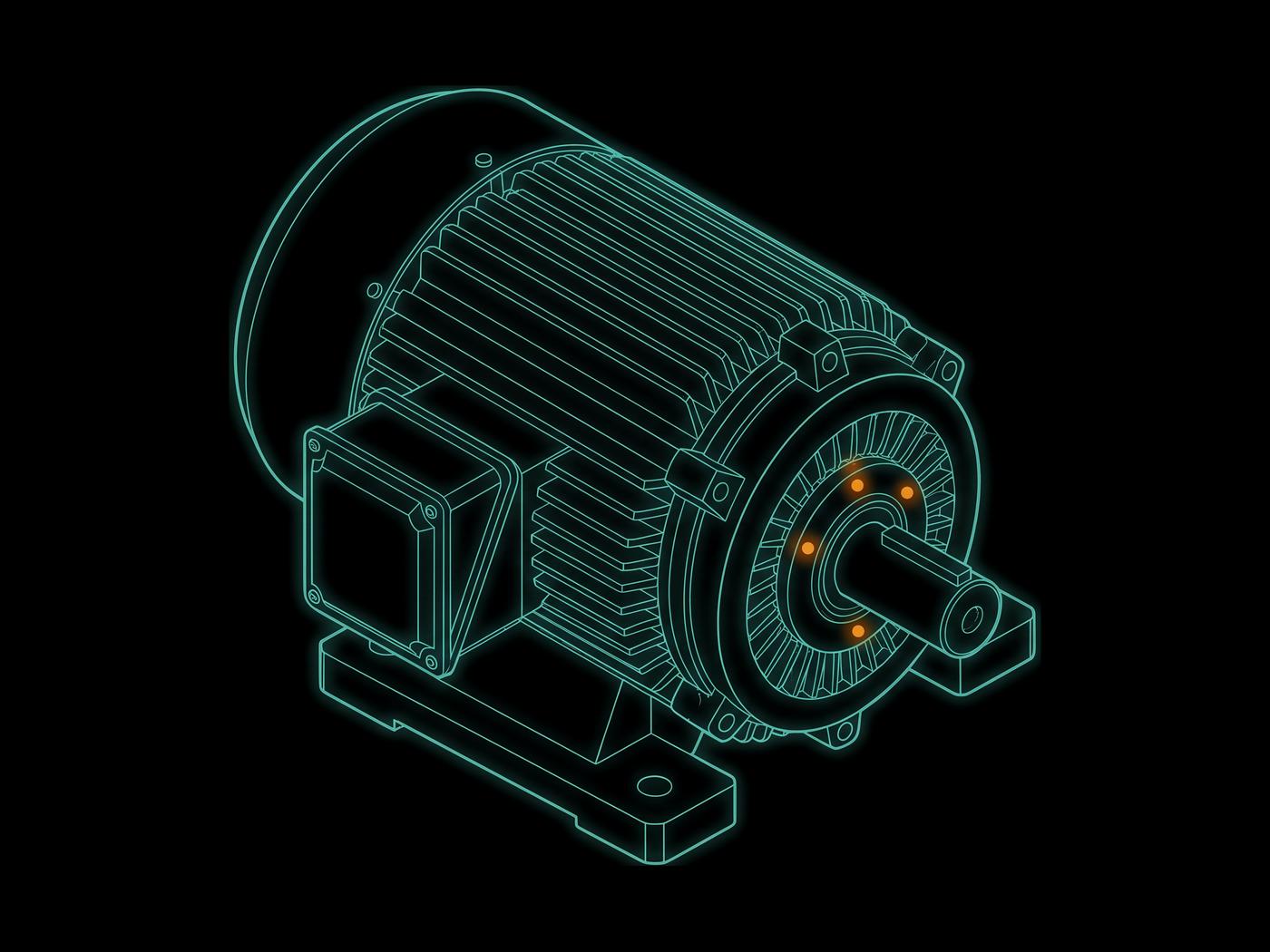
 Electric motorsMeasured
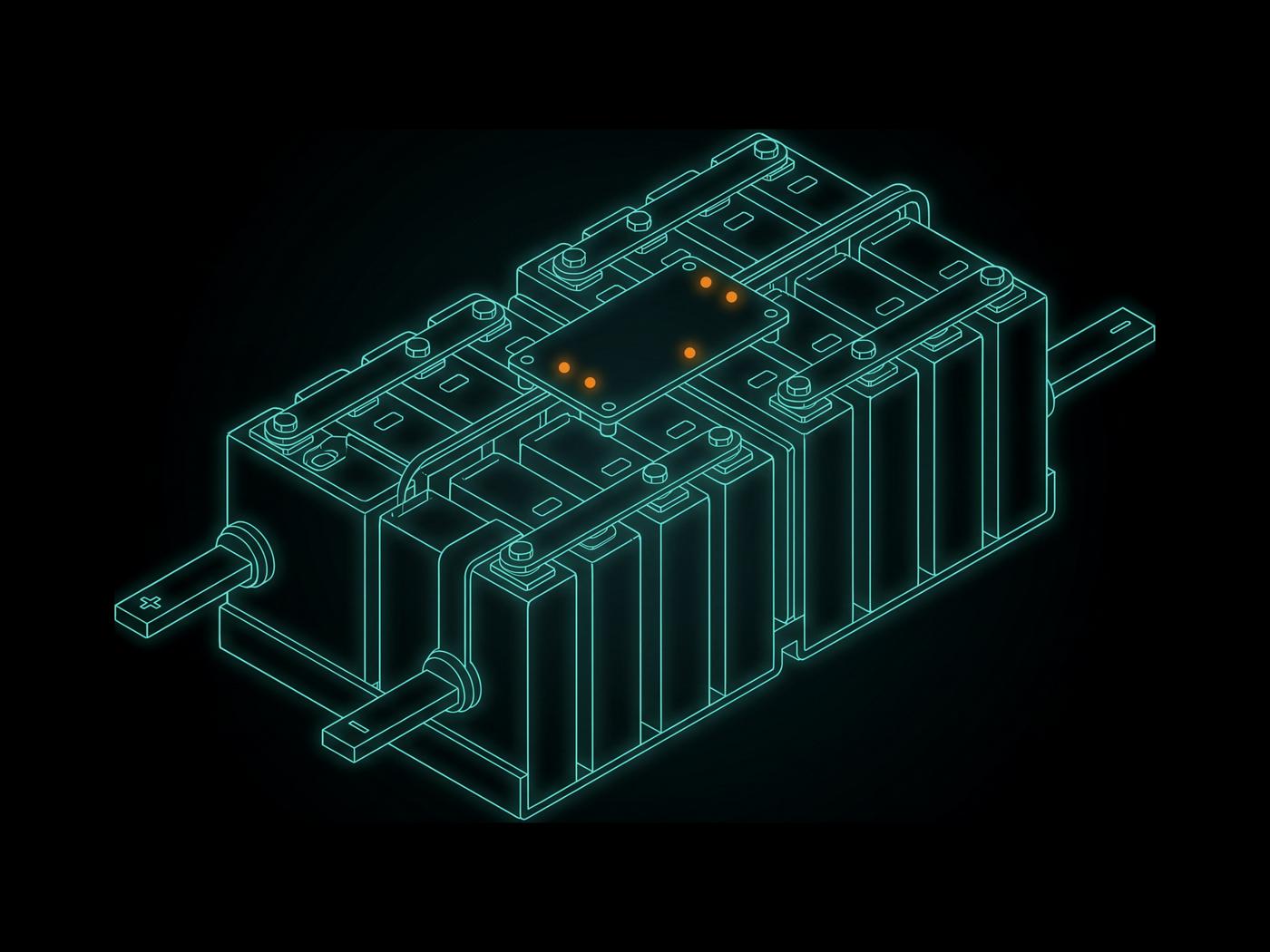
 EV battery packsHistorical
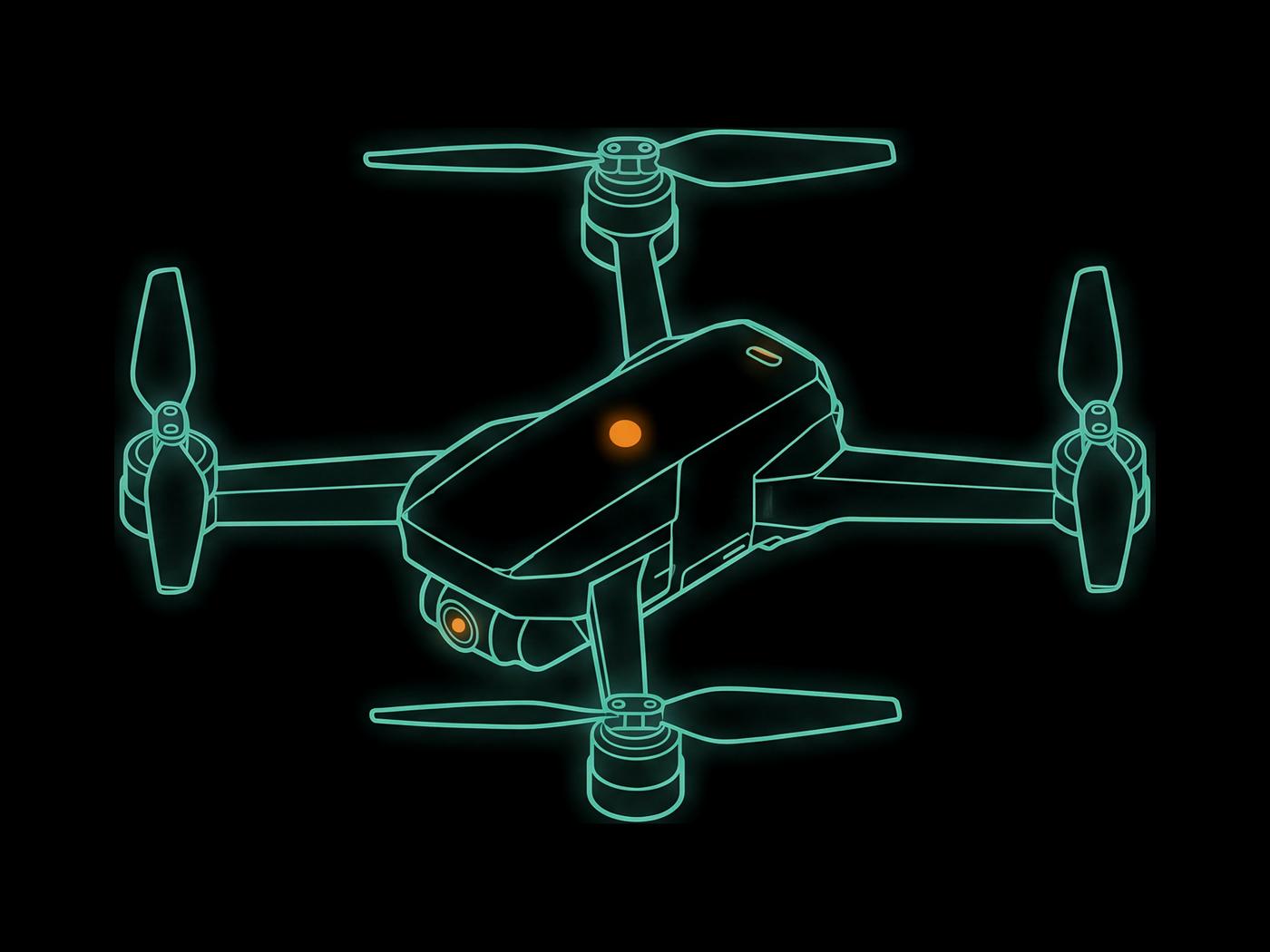
 Nano-dronesHistorical
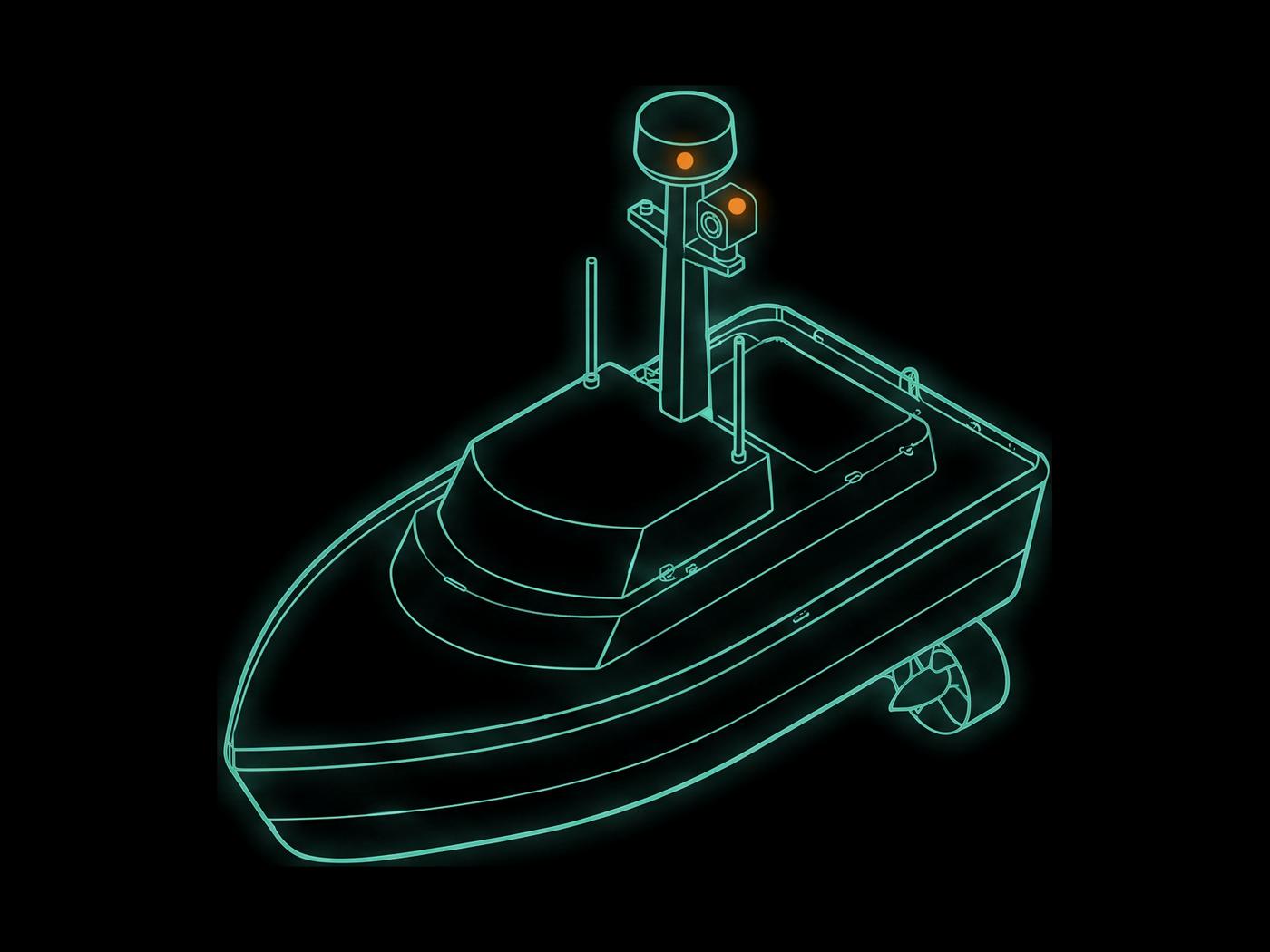
 Autonomous vesselsHistorical
Proposed pilot workflows · not customer deployments9
Next step · Reflexes for Things
Give your product its first reflex.
Bring a model and a recording. We measure Reflex software on your chip.
Device makers
Pilot a reflex on your product
Two or three workloads, measured against your current model.
Start a pilot →Notes
- 1Toothbrush Reflex on the nRF54LM20 CPU, replayed 20,000× slower · illustration from measured averages, not a captured waveform · power × duration, drawn to scale · PPK2 · features in RAM → class · assumed constant 3.0 V · historical accuracy on this Reflex: FICUS 100%, Neuton 100%, TensorFlow Lite 24% · toothbrush is the widest Neuton margin of the five Reflexes; the seven-workload averages are in FIG. 03
- 2Three measured studies, each with its own boundary, never blended · the 7-workload average covers time and energy on the Nordic chip, never accuracy · details and caveats on Evidence
- 3Glasses battery: maker claims and reviews · 10 mA display-off draw: Halo, Brilliant Labs; about half attributed to the main chip · 89% sure decisions: FICUS glasses test, historical · each awareness step carries its own status: only Notice is measured on a product chip today
- 4Five Reflexes, eye tracking and MNIST digits against Neuton and TensorFlow Lite · nRF54LM20B DK, Cortex-M33 at 128 MHz, CPU only · all draw 7–10 mW while running · processed features in RAM → class (C1) · PPK2 charge × assumed constant 3.0 V · 784 windows · Nordic evidence v6.3, 4 Nov 2026 · eye tracking: prepared event-count map → X/Y, energy-first, operator-declared 3.0 V, Nov 2026 · MNIST: one image → digit, accuracy-matched (lite12 vs Neuton, P3 fast vs TensorFlow Lite), Nov 2026 · equal-weight geometric means of the 7 ratios; accuracy is not averaged (five-Reflex historical accuracy: FICUS 99.24%, Neuton 98.76%, TensorFlow Lite 85.58%)
- 5Separate run, Nov 2026 · nRF54LM20B, Cortex-M33 at 128 MHz; the Axon model runs on its NPU · prepared event-count map → X/Y, including each model's frontend · energy at the operator-declared 3.0 V · accuracy is descriptive (reused INI-30 cohort) · accuracy-first has better mean, median and P95 than all three · energy-first trades a little tail error: P95 61.8 px against 58.5 px for Axon · FICUS draws more power while running, 10.2 mW against 7.2–8.6 mW, and finishes far sooner · the sixth of seven workloads in the Nordic average, with energy-first
- 6nRF54LM20B DK, Cortex-M33 at 128 MHz; the Axon CNN runs on Nordic's NPU · one image → digit, separate firmware captures with identical input images, memory placements differ · energy at the 3.0 V setting · accuracy on the common 5,000-image validation set · each reference against the FICUS build at its accuracy level: lite12 (94.76%) against Neuton (92.82%), computed from the table; P3 fast (99.18%) against Axon, TensorFlow Lite and a CAIR Tsetlin Machine, factors as published · FICUS buys its speed with larger tables: lite12 holds 36 KiB of model payload against 16 KiB for Neuton and draws 8.57 mW against 8.07 mW; P3 fast holds 1,304 KiB; the saving comes from finishing sooner · payload excludes code, runtime and working RAM · the seventh workload in the Nordic average · an earlier host-CPU panel against ResNet-6 and ViT-4 is on Evidence
- 7Illustrative · equal-weight geometric means of the five measured Reflexes (15.8, 460 and 826 nJ per decision), compute only · processed features in RAM → class · PPK2 charge × assumed constant 3.0 V · excludes sensing, feature extraction, radio, idle current, losses and self-discharge · device battery life needs a pilot measurement · once deciding is nearly free, a Reflex's most valuable job is deciding when not to use the radio · Measurement method
- 8Scenes are AI-generated illustrations, not product photos · each world shows its evidence: measured, historical, pilot, exploring (nothing trained yet) or vision (not built) · sensing, radio and displays still draw power
- 9Measured: energy per decision on nRF54LM20, C1 boundary · product families are proposed pilot workflows, not customer deployments · device drawings are illustrations